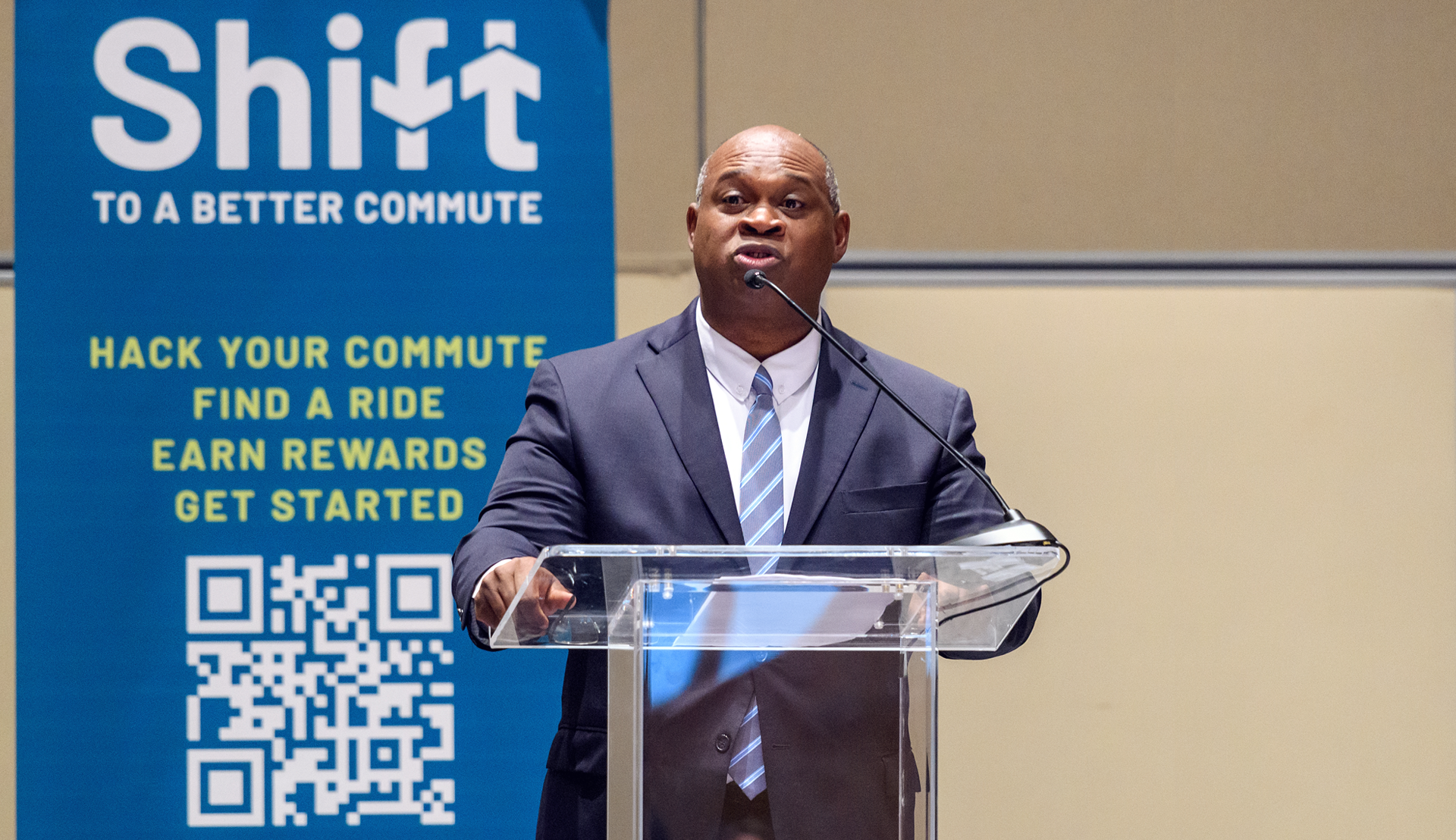
ATL Airport Community Improvement Districts Celebrates Relaunch and Expansion of Commuter Services Program
The ATL Airport CIDs have relaunched and expanded their commuter services program to serve 157,000+ workers in the ATL Airport area.
The start of a new year is when employers naturally take stock. What is working? What’s not? And what keeps quietly undermining even the best-laid workforce plans?
For many employers, especially those of us in South Metro, the answer is often transportation.
Commute challenges don’t always show up on a balance sheet, but their impacts are real; missed shifts, chronic lateness, higher turnover among new hires, and supervisors scrambling to fill last-minute gaps. Over time, these issues chip away at reliability, morale, and retention.
Recent data underscores just how fragile many commutes really are. According to the AACIDs’ 2025 South Metro Travel Survey, 39% of the local workforce reported regularly relying on expensive Uber or Lyft rides to get to work. For many employees, this isn’t a convenience; it’s a last-resort solution that’s costly, unpredictable, and rarely sustainable long-term.
The good news? The best times to start cracking the code on commute and transportation issues are today.
Employers who successfully improve commute reliability tend to start when there’s space to plan, not when they’re already in crisis mode. Early in the year offers a few key advantages:
Transportation challenges aren’t a one-size-fits-all fix. They require a solid understanding of your workforce, your shifts, and your operational realities and building from there.
When employers hear “transportation programs,” they often picture expensive shuttles or complicated systems. In reality, the most effective solutions are usually practical, targeted, and tailored.
Through its work with South Metro employers, Shift has seen a few approaches consistently make a difference:
These strategies don’t all look the same. In some cases, the solution starts with transit coordination and data sharing. In others, it’s about hands-on onboarding support, targeted incentives, or helping employers transition to more sustainable options like vanpools or carpools.
Across South Metro Atlanta, Shift has partnered with employers facing transportation challenges that directly impact day-to-day operations on the ground.
We’ve worked with employers navigating issues like:
In each scenario, the solution didn’t start with a pre-packaged program; it started with listening. Shift worked alongside employers to understand where employees live, how they travel, which shifts were hardest to staff, and where existing transportation options were falling short. From there, practical, right-sized strategies were developed to stabilize commutes, reduce absenteeism, and take pressure off frontline supervisors.
These partnerships didn’t just improve how employees got to work; they strengthened onboarding, improved reliability, and helped employers build more resilient workforce systems over time.
The full stories, approaches, and outcomes are explored in Shift’s employer case study, which highlights how transportation barriers were turned into real workforce wins across multiple industries and operating contexts.
One of the biggest misconceptions employers have is that they need a fully formed transportation plan before reaching out for help.
The most effective first step is often a conversation.
Shift works with employers to:
Whether you’re facing immediate challenges or simply want to get ahead of them this year, now is the right time to start.
If improving reliability, retention, and workforce access is on your 2026 radar, Shift can help you get there.
Schedule a meeting with the Shift team to talk through what’s happening with your workforce and what solutions may fit best
A new year brings new momentum. A better commute can be part of it.

The ATL Airport CIDs have relaunched and expanded their commuter services program to serve 157,000+ workers in the ATL Airport area.
The ATL Airport CIDs have relaunched and expanded their commuter services program to serve 157,000+ workers in the ATL Airport area.
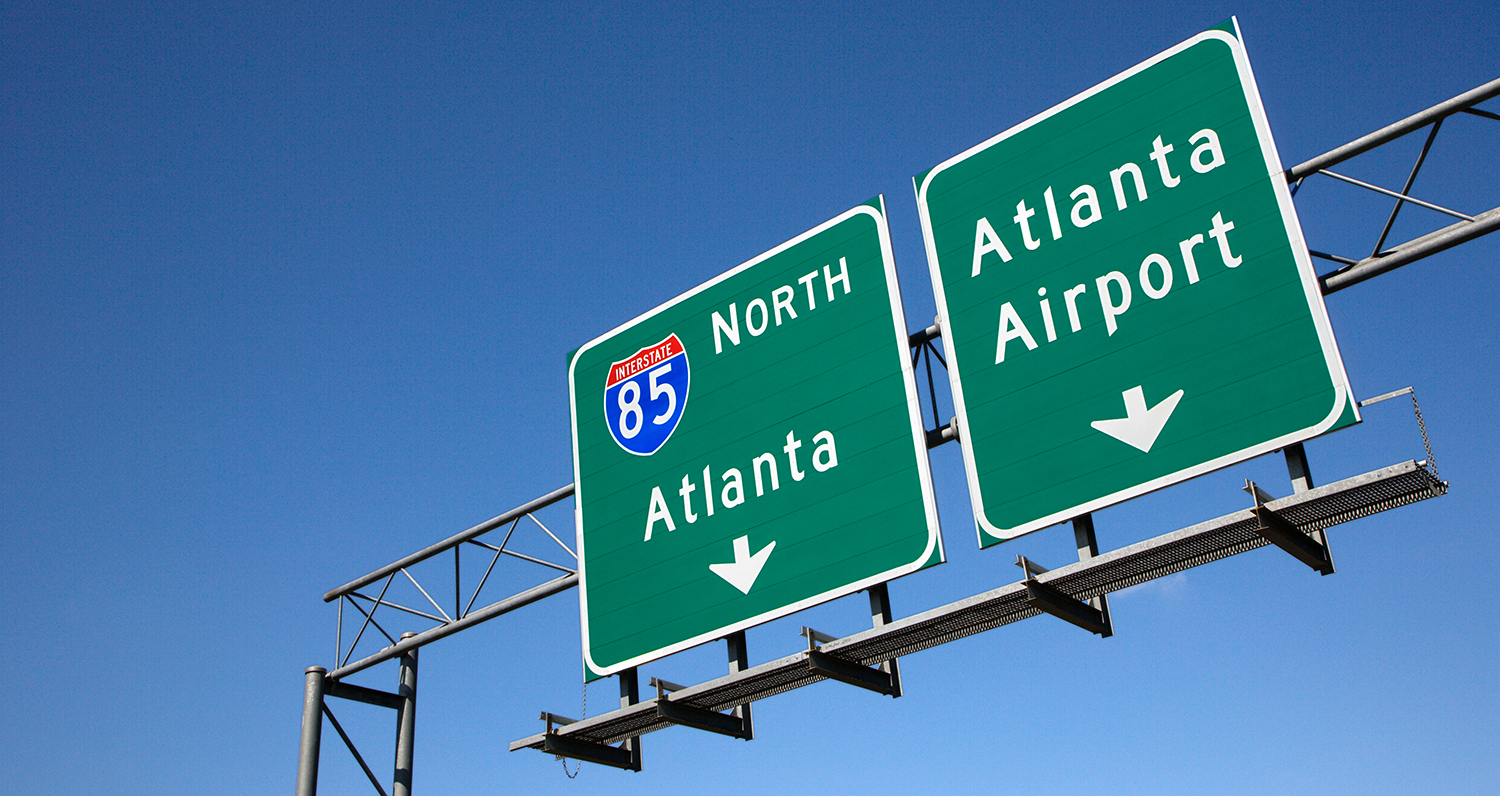
FIFA World Cup 2026™ will put Atlanta under pressure from June 11–July 19, 2026, and South Metro will absorb impacts before fans ever reach downtown. Get your team prepared today.