Biking and Walking – Shift | ATL Airport CIDs Area Transportation Services Skip to content

Biking & Walking

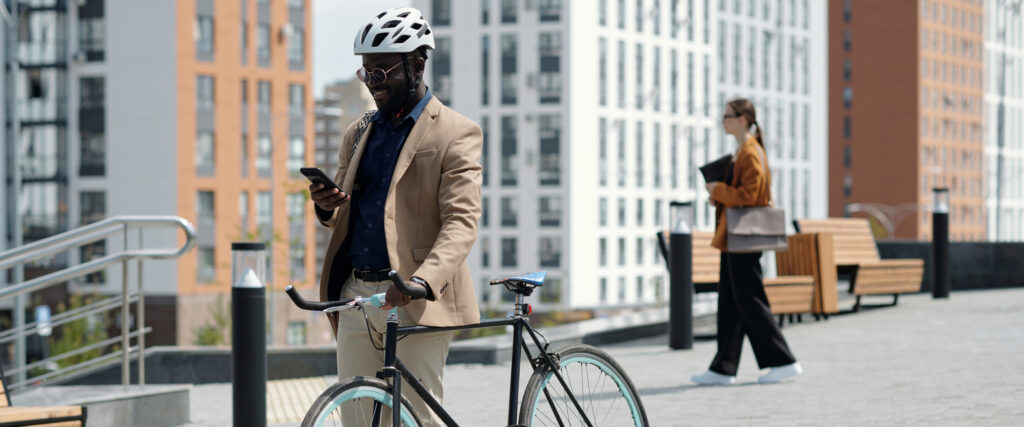
Short trips, station connections, and first-mile or last-mile commutes can be easier when you have a safe route, a place to park your bike, and a backup plan.  

For some workers, biking or walking may cover the full commute. For others, it may work best as part of a combined trip with MARTA bus, MARTA rail, carpool, rideshare, or another backup option. 
Safe Route Planning

Use route tools and community feedback maps to identify streets that feel more comfortable for biking or walking.

 Rate my Routes : Love to Ride  

Connect with MARTA

Bring your bike on MARTA when it helps complete the trip. MARTA allows bikes on trains and buses, and buses have front racks that are first come, first served with space for two bikes. 

Park, Log, and Earn

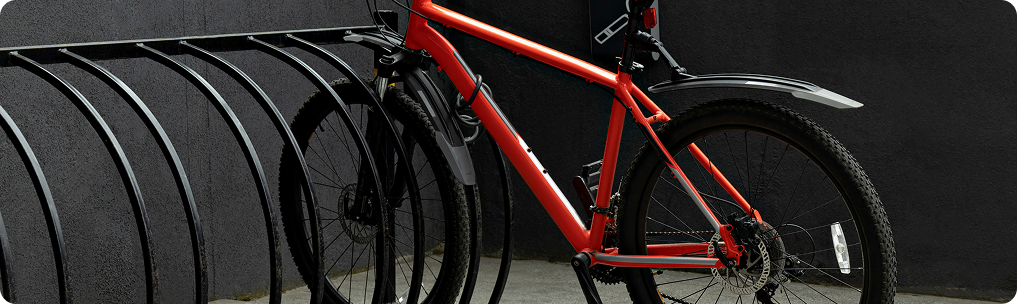
Use bike parking where available, check with your employer for worksite storage, and log eligible biking or walking trips through MyGCO to track clean commutes and access rewards. 

How Biking and Walking Around South Metro Works 

Start by identifying whether biking or walking makes sense for your full commute or only part of it. Then review route comfort, MARTA connections, bike parking, weather, and backup options.

Step 1: Check Your Distance

Review the distance between home, transit, and work. Biking and walking are strongest when the trip is short, direct, and supported by safe crossings, sidewalks, trails, bike lanes, or lower-traffic streets. 

Step 2: Review Route Comfort

Use available route-planning. Love to Ride’s Rate My Routes feature lets riders rate routes based on how safe and comfortable they feel, then contributes to a community feedback map. 

Step 4: Connect with MARTA

If the full trip is too long, pair biking or walking with MARTA. Riders should walk bikes through stations, use elevators instead of escalators, avoid full trains, keep bikes out of aisles and doorways, and place bikes on the front rack when using buses. 

E-Bike Access and Local Resources

E-bikes may make longer first-mile or last-mile trips more realistic, especially when distance, hills, heat, or shift fatigue make a traditional bike commute harder. Commuters should confirm availability, rental terms, pricing, service options, and storage needs directly with local shops before relying on an e-bike for commuting.

Costs, Parking, and Bike-on-Transit

Biking and walking do not require a transit fare when used on their own, but you may still need to plan for equipment, secure parking, repairs, and MARTA fare if the trip includes bus or rail. 

Bike Parking on MARTA

MARTA stations offer bike storage free of charge; riders should bring a lock and use an open spot. MARTA also provides bike-on-transit guidance for riders using rail stations and bus bike racks.

Bike Amenities at Your Workplace

Check with your employer or property manager to see if secure bike storage, showers or bike repair stations are available.

Backup Options

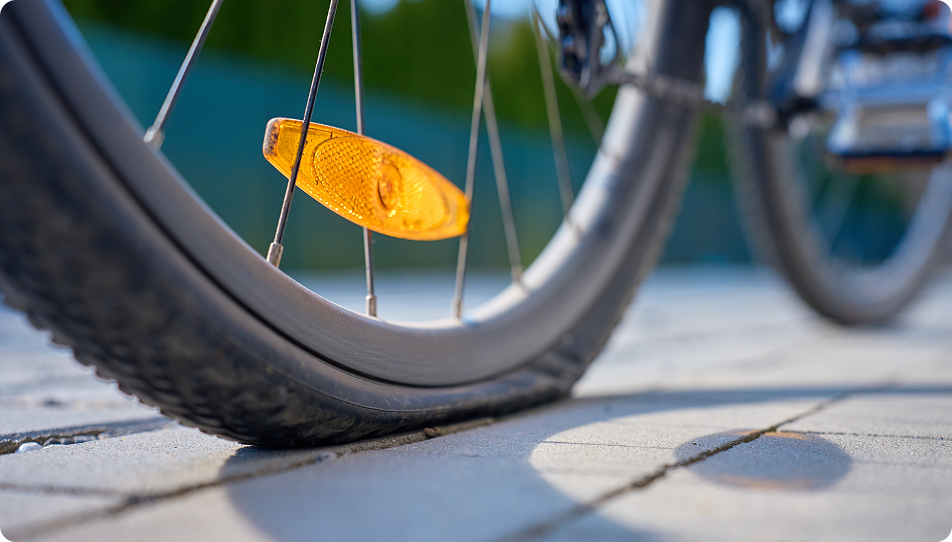
Biking and walking should come with a backup plan. Bad weather, a flat tire, unsafe lighting, service disruptions, overtime, or a late shift can change whether biking or walking still makes sense on a given day. 

Build a safer backup plan.


  • Use MARTA, rideshare, carpool, or another connection when biking or walking is not practical. 
  • Check weather, lighting, and route conditions before starting the trip. 
  • Carry basic repair items or know where nearby bike repair support is available. 


Rewards

Biking and walking are clean commute options that are eligible for MyGCO logging, points, commuter perks, and rewards. 

Ride, log, and earn.

  • Log eligible biking and walking trips through MyGCO. 
  • Track clean commute activity, progress, and reward opportunities. 
  • Use MyGCO to find biking and walking commute options. 
  • Unlock commuter perks, like discounts to local businesses and events.